Subject: [permaculture] Farming | NO TECH MAGAZINE | http://www.notechmagazine.com/
Date: Mon, 20 Jul 2015 07:24:37 -0400
[What a find; I ran across this at Hacker News, https://news.ycombinator.com/news, the best news aggregator I have seen;
following is the collection of articles on farming, the first page of many
pages containing links and sample copy]
When the British colonized India, they imposed their own system of water
management, which included the building of large-scale dams, sewers, and
irrigation channels. This high-tech approach continues today, as the World
Bank is urging India to build enormous dam projects to fight drought and
depleted aquifers. The Indian government has followed its advice. Its first
Prime Minister, Jawaharlal Nehru, called dams the “Temples of modern
India”. Since then, India has built over 5,000 dams and large reservoirs.
[1]
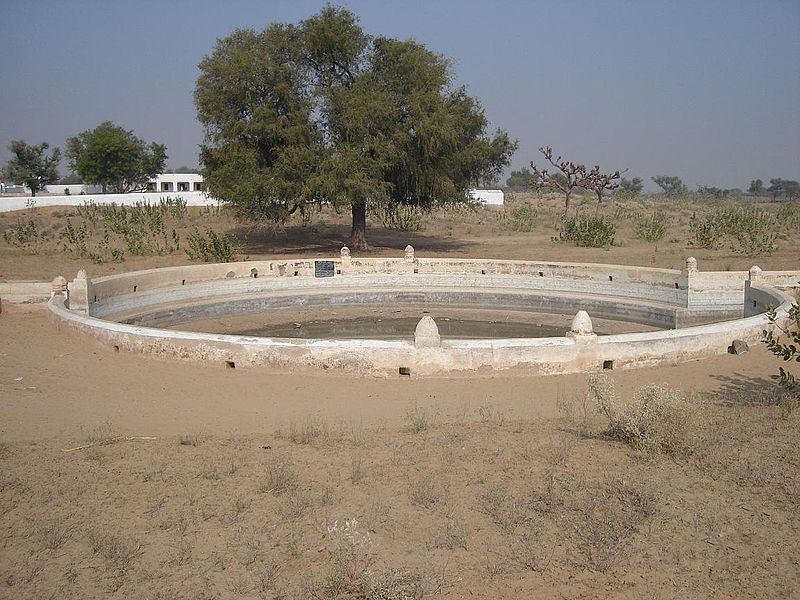
However, before the British arrived, people on the subcontinent used
traditional low-cost, low-tech engineering to collect rainwater for
thousands of years. This involved the placement of thousands of small
structures throughout rural areas which, in one way or another, catch
excess rainwater from the monsoon months and allow it to slowly percolate
into the groundwater during the dry season. To maintain and manage these
structures, community-based management schemes were necessary. However,
these were actively discouraged during British rule and following
independence. As a result, in the 20th century many of these small
reservoirs fell into disrepair.
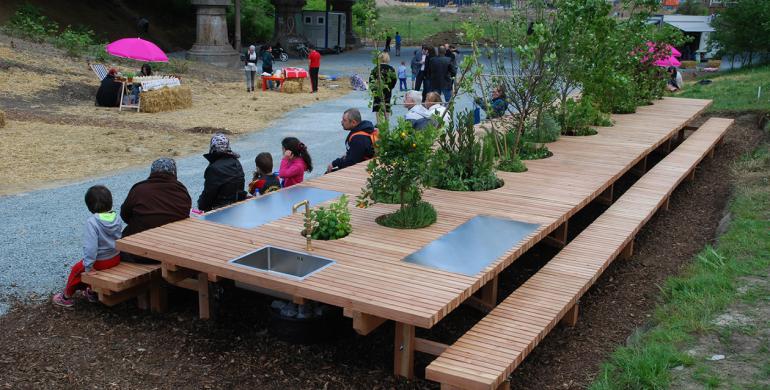
The Landscape Table
<http://www.parckdesign.be/en/activities/landscape-table> is a platform for
cultivating, processing, cooking and sharing the food at the centre of the
FARMPARCK <http://www.parckdesign.be/en/content/farmparck> in Brussels,
Belgium. Thanks to the edible and medicinal plants inserted into the table
itself, the installation invites the public to meet and eat in direct
contact with a landscape that is a bounty for the senses – sight, smell,
touch and, above all, taste. The essence of this project is to involve the
visitor in the landscape, farming, nature and cooking through shared
moments.
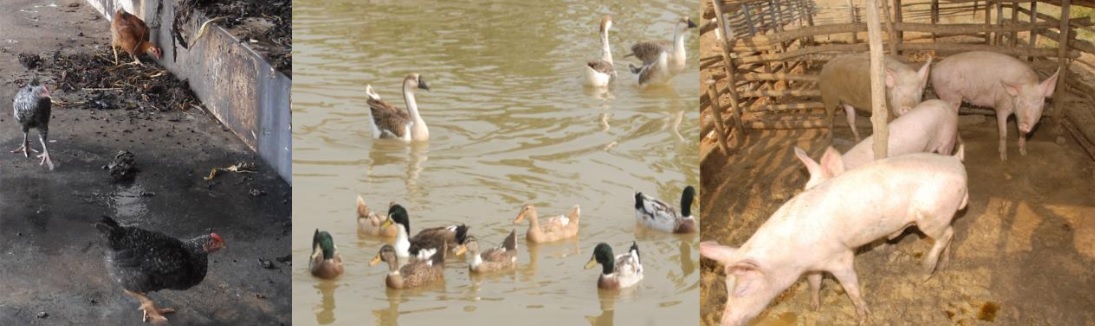
Mountains of food scraps end up in landfills every day. While northern
countries glorify attempts to facilitate this trash-to-treasure process
using state-of-the-art technologies, Bobbili, a town in Northeast India,
adopts a tech-free solution – a park using animals for solid waste
management.
[image: animals recycling food waste]
<http://www.notechmagazine.com/wp-content/uploads/2014/07/animals-recycling-food-waste.jpg>
Livestock at waste management park in Bobbili, India
[image: Lost crops of africa]
<http://krisdedecker.typepad.com/.a/6a00e0099229e88833019b0178f0ba970b-pi>“Like
Asia and the Americas, the continent of Africa is blessed with a rich
tropical flora. Many of the 50,000 or so plants that evolved within its
forests and savannas ripen fruits to tempt the myriad wild creatures into
spreading their seeds. Speaking generally, Africa has as many of these
tasty morsels as tropical Asia or America.
This fact, however, is something one would never guess by looking in
produce markets or college textbooks. Today, American and Asian species
dominate tropical fruit production worldwide, including within Africa
itself.
For this, there is good reason. Africa’s fruits have not, by and large,
been brought up to their potential in terms of quality, production, and
availability. Geographically speaking, few have moved beyond Africa’s
shores; horticulturally speaking, most remain poorly known. Thus, the vast
continental landmass lying between Mauritania and Mauritius contains a
cornucopia of horticultural, nutritional, and rural-development jewels
still waiting to be cut and polished.”
[image: jasmine field china]Six traditional farming systems in China, Iran
and South Korea known for their unique characteristics and approaches to
sustainability have been designated Globally Important Agricultural
Heritage Systems <http://www.fao.org/news/story/en/item/230966/icode/>
(GIAHS) by the Food and Agriculture Organization of the United Nations
(FAO).
They include Iran’s Qanat Irrigation system, an ancient network of farms
that have survived for nearly three millennia; a 22-thousand-kilometer
system of black stone walls built from volcanic rock in Jeju, South Korea;
and the traditional Gudeuljang Irrigated rice terraces in Cheongsando,
South Korea.
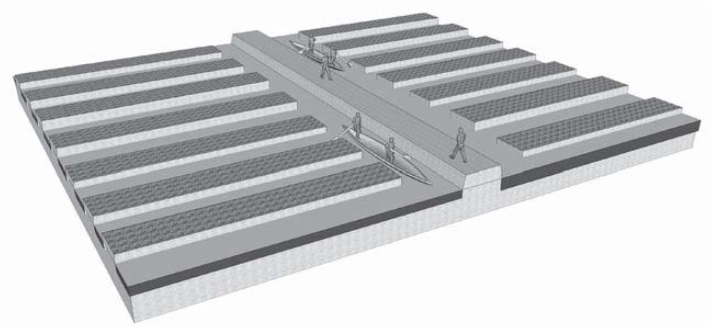
Also on the list are a trio of sites in China: the unique Xinghua Duotian
Agrosystem, famous for its method of water-land utilization; the historic
Jasmine and Tea Culture System of Fuzhou City; and, the Jiaxian Traditional
Chinese Date Gardens. The sites were officially recognized during the 28-29
April meeting of the GIAHS Scientific and Steering Committee at FAO
headquarters in Rome.